English| USD
Suggested for you
More currencies
Choose a language
Zurich consistently ranks among Europe's most expensive cities, and visitors quickly discover why Switzerland's largest metropolis commands premium pricing. This guide breaks down the true cost of visiting Zurich—from accommodation and meals to transport and attractions—and reveals how to experience the city without exhausting your travel fund.
Quick answer
Yes, Zurich is expensive to visit compared to most European destinations. Budget travelers can expect to spend CHF 150-200 per day covering hostel accommodation, supermarket meals, and public transport, while mid-range visitors typically allocate CHF 250-350 daily for hotel stays, restaurant dining, and museum admissions. The city itself requires no entrance fee to explore, and many of its most compelling experiences—lakefront promenades, medieval streets, and panoramic viewpoints—cost nothing.
Switzerland abolished its one-franc coin in 2007, and visitors to Zurich quickly understand why: the currency's smallest circulating denomination reflects a cost structure that makes other Western European capitals look budget-friendly. A standard cappuccino at Paradeplatz costs what a three-course lunch might in Lisbon, and hotel rates in Niederdorf rival those of central London during peak season. The question of whether Zurich is expensive to visit has a straightforward answer—it absolutely is—but the more useful question is whether the city's high costs reflect poor value or simply Swiss price levels. The reality sits somewhere between the two. Public transport operates with Swiss precision, tap water from fountains across the Altstadt matches bottled Alpine spring quality, and safety standards mean visitors walk freely through any neighborhood at any hour. These invisible infrastructures justify part of the premium, though restaurant markups and hotel rates often exceed what comparable service commands elsewhere in Europe. Understanding Zurich's cost structure requires separating fixed expenses from flexible ones. Accommodation and sit-down restaurant meals drive the budget upward fast, while supermarket prices—though elevated by global standards—remain manageable, and public transit day passes deliver genuine value given the frequency and reach of trams, buses, and S-Bahn trains. The Swiss Franc's strength against most currencies compounds the sticker shock, particularly for visitors from the Eurozone or North America who last checked exchange rates before the currency reached multi-year highs. The city rewards strategic spending. Major museums cluster along the lake and in the university quarter, many offering free admission on certain evenings or discounted combination tickets. The Limmat riverfront, Lindenhof hill, and the entire western shore of Lake Zurich cost nothing to experience, yet these spaces define the city's identity more than any paid attraction. Visitors who accept that Zurich operates on a different price axis—and plan accordingly—discover a compact, walkable city where the high costs fund low friction, and where some of the best experiences happen to be free.
“The Swiss Franc's smallest coin reflects a cost structure that makes other Western European capitals look budget-friendly.”
Zurich is consistently ranked among the most expensive cities globally, necessitating careful financial planning for visitors. Daily expenditures vary significantly depending on dining choices and accommodation standards.
How to spend less
Verdict: A budget-conscious traveler can expect to spend approximately 150-200 CHF daily, while a more comfortable visit typically ranges from 300-500 CHF per person.
Visiting during the shoulder seasons of April to May and September to October balances manageable crowd density with temperate conditions. Aligning your schedule with the best arrival window of 09:00–17:00 ensures you can access museums and shops while avoiding peak transit congestion.
Mild, 10°C to 18°C
Fewer travelers result in more availability for local services.
Cool, 8°C to 17°C
The city remains active, yet hotel rates often drop compared to summer.
—
Arriving at 09:00 allows you to navigate the city before the mid-day influx.
Cold, 0°C to 7°C
Prices for accommodation can decrease, though some outdoor excursions have limited frequency.
Verdict: The most effective window is Tuesday to Thursday, arriving between 09:00 and 17:00, during the months of April or October.
Zurich is situated in north-central Switzerland and serves as a major international rail and air hub. Most visitors arrive at Zurich Airport (ZRH) or the central train station, Zurich Hauptbahnhof (HB).
S-Bahn lines S2, S16, or InterCity to Zurich Hauptbahnhof
Tram line 10 from Zurich Airport to City Center
Walking through Altstadt (Old Town)
Airport to City Center
For optimal navigation of museums and shops, plan your arrival between 09:00 and 17:00 when facilities are fully operational. Using the extensive public transport network is the most efficient way to travel within the city center.
Managing your budget in Zurich requires utilizing local resources that prioritize value for residents and visitors alike.
Zurich has over 1,200 fountains providing high-quality drinking water, allowing you to bypass bottled water costs entirely.
This digital tool provides localized information that can help identify affordable grocery options and local community services.
Visit local weekly markets for fresh food instead of dining at sit-down restaurants to lower your daily meal expenses.
Many guided walking tours operate on a tip-only basis, providing historical context without mandatory fixed booking fees.
Public libraries offer quiet, climate-controlled spaces with free internet access and are often located away from high-priced tourist corridors.
Everything you need to know about is zurich expensive to visit
Zurich is widely considered one of the most expensive cities in the world, particularly regarding dining, accommodation, and retail prices. However, many aspects of the city, such as walking through the historic Altstadt or visiting public squares, remain free of charge. Visitors often find that while the cost of living is high, the quality of infrastructure and public services is equally elevated.
You can mitigate costs by utilizing local grocery stores for meals and taking advantage of free activities. Many travelers discover that when asking if Zurich is expensive to visit, they can manage their budget by prioritizing free sightseeing over luxury excursions.
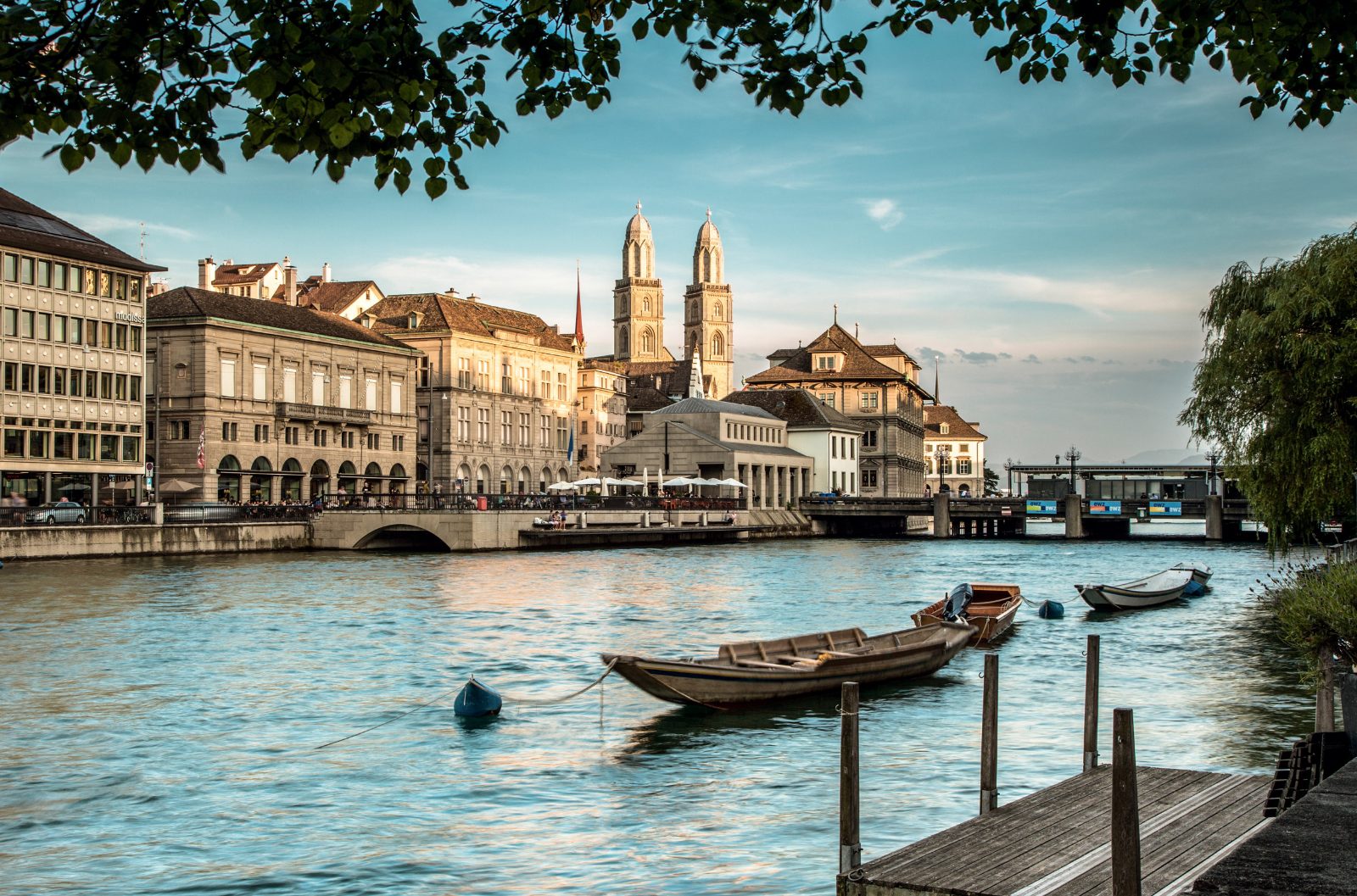
A guided Zurich city tour offers a structured way to see local landmarks like the Grossmünster or Bahnhofstrasse without needing to research logistics. While tour fees apply, they often include expert commentary on Swiss culture and history that adds significant value to your stay.
The public transit network is highly efficient and reliable, making it a cost-effective alternative to private taxis. While ticket prices reflect the city's general cost level, utilizing day passes can help those worried about whether is Zurich expensive to visit keep their transportation spending predictable.
Travelers often overlook the cost of simple items like bottled water or snacks, which are priced higher than in many other European destinations. Being aware of these everyday expenses is key when considering if Zurich is expensive to visit for your specific travel style.
Zurich maintains high price points throughout the year, regardless of the season. Visiting in autumn allows you to enjoy the changing foliage along Lake Zurich and the Limmat River while enjoying mild weather that is ideal for walking tours.
Top Zurich Tourist Attractions
Read more Tickets & toursTours with Swiss Travel Pass
Read more GuideIs Zurich Worth Visiting?
Read more GuideRecommended Zurich Itinerary
Read more GuideIs Zurich Safe for Tourists?
Read more Tickets & toursZurich City Bus Tours
Read more Tickets & toursCity Tours with Lake Cruises
Read more