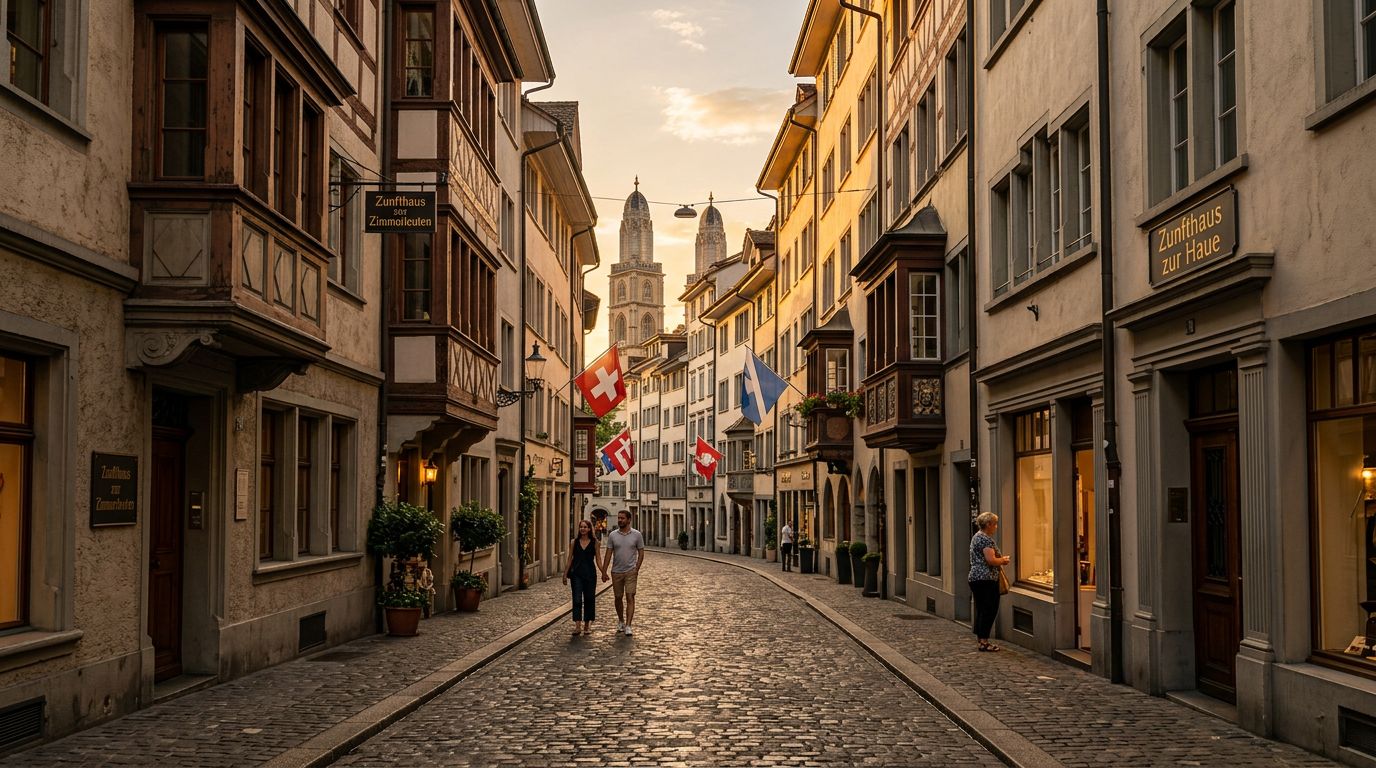
Altstadt
The historic old town features narrow winding lanes and traditional guild houses. Explore the area to observe preserved architecture from the medieval and Renaissance periods.
Walk the side streets near Limmatquai to find hidden courtyards.
Zurich splits opinion among travelers. Some find it Switzerland's most polished urban gateway—compact medieval streets meeting lake views and museum-grade collections. Others leave underwhelmed by high costs and reserved local culture.
Quick answer
Zurich merits a visit if you value walkable historic districts, accessible Alpine scenery, and world-class art institutions over budget travel or nightlife intensity. The city offers free public access year-round, with optimal exploration between 09:00 and 11:00 to avoid commuter congestion. Expect premium pricing across accommodation and dining, though many museums and lakefront parks require no entrance fee.
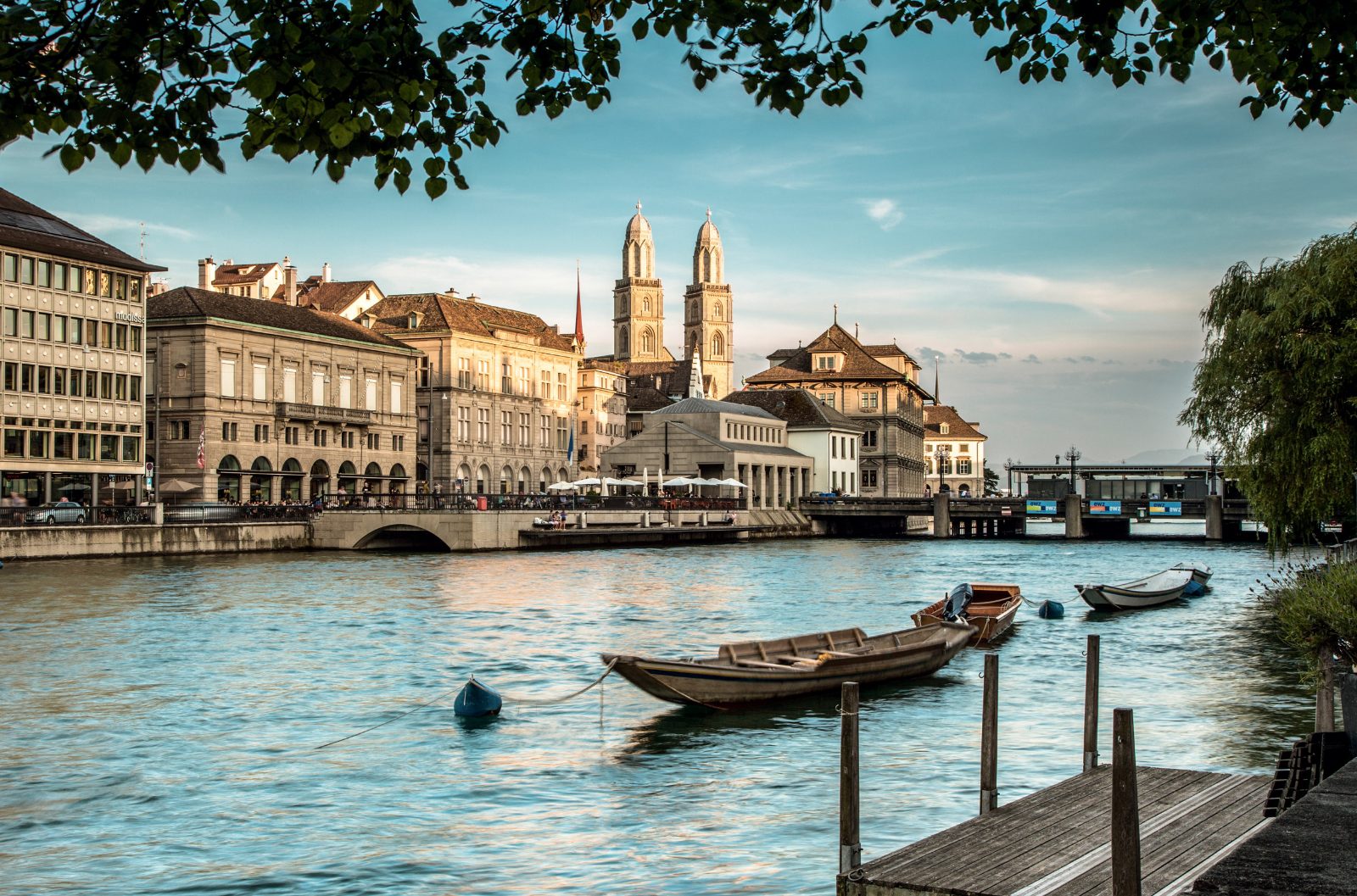
Zurich's Limmat River bisects a city that functions as both financial capital and cultural anchor. The Altstadt—Zurich's old town—unfolds across both banks in a tight grid of guild houses, stone fountains, and churches dating to the Reformation. Visitors traveling to Zurich discover a walkable core where trams connect Romanesque spires to Bauhaus residential blocks within minutes. The value proposition centers on concentration rather than spectacle. Kunsthaus Zurich holds Central Europe's largest Munch collection outside Norway. Fraumünster's Chagall windows occupy five lancets above a nave rebuilt in the 13th century. Lake Zurich stretches 25 miles southeast, its promenades and lidos free to access. Uetliberg mountain rises 2,850 feet above the city center, reachable by cogwheel train in 25 marks. Cost defines the Zurich experience as much as architecture. A weekday lunch averages 22-28 CHF. Tap water remains potable and free. Many visitors anchor their stay around no-cost experiences—the university quarter's botanical garden, Lindenhof hill's Roman foundations, swimming platforms along the Limmat—then allocate budget selectively toward ticketed museums or day trips into the Alps. The city rewards methodical exploration over spontaneous discovery. Swiss efficiency extends to signage, transit punctuality, and opening hours, but leaves little room for improvisation. Whether Zurich justifies its expense depends on how you weight urban refinement against raw experience. It delivers precision, cleanliness, and access to Alpine geography. It does not apologize for costing more than Prague or Lisbon.
“Zurich delivers precision, cleanliness, and access to Alpine geography—but does not apologize for costing more than its Central European peers.”
This one-day plan suits first-time visitors weighing whether Zurich merits a longer stay. It covers the Old Town's architectural core, lakefront views, and a museum stop in approximately 6–7 hours of relaxed walking.
Start at Grossmünster, walk along Limmatquai past guild houses, cross Münsterbrücke to Fraumünster. Budget 90 minutes for exteriors and narrow medieval lanes — interiors require separate tickets.
Walk Zurich's main shopping boulevard from Paradeplatz to the Hauptbahnhof. Window-shop luxury goods or pause at a café; 45 minutes covers the 1.4 km stretch.
Head to Bürkliplatz or Bellevue for lakeside views. Grab lunch at a kiosk or terrace; 60–90 minutes lets you gauge the city's outdoor appeal.
Located behind the Hauptbahnhof, the museum contextualizes Swiss history and design. Allow 90 minutes for permanent collections; closes at 17:00 most days.
Climb to this elevated square for city and river views. A 15-minute detour on your way back through the Old Town.
Explore the pedestrian zone's cafés, small galleries, and evening buzz. Spend 60–90 minutes to close out your reconnaissance day.
Zurich offers a blend of medieval architecture, refined cultural institutions, and accessible waterfront areas. These specific locations provide insight into the city's urban character and historical development.
The historic old town features narrow winding lanes and traditional guild houses. Explore the area to observe preserved architecture from the medieval and Renaissance periods.
Walk the side streets near Limmatquai to find hidden courtyards.
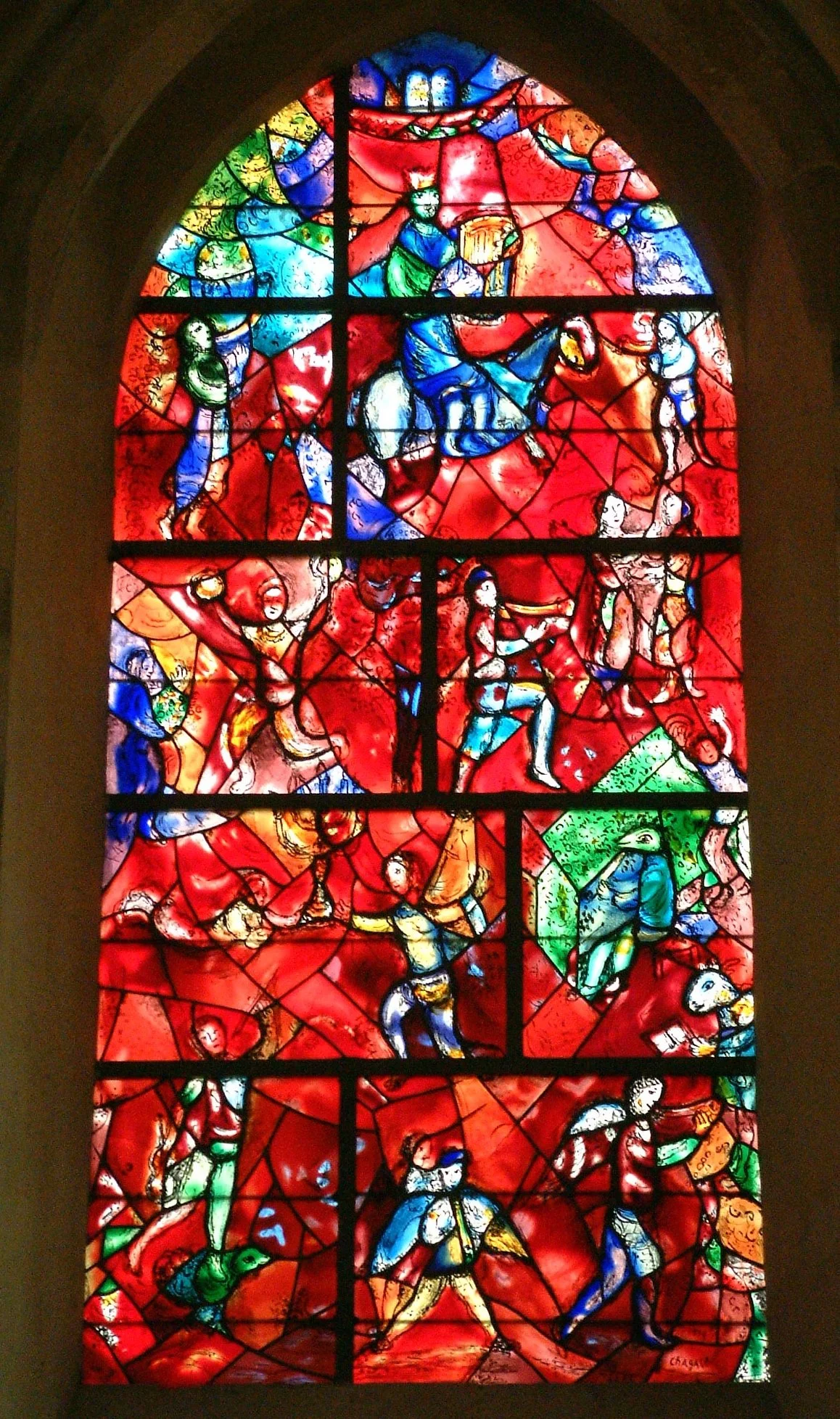
This former abbey is notable for its slender spire and modern stained glass windows designed by Marc Chagall. The interior provides a quiet space to examine these colored light installations.
Visit during morning hours for clear light through the glass.
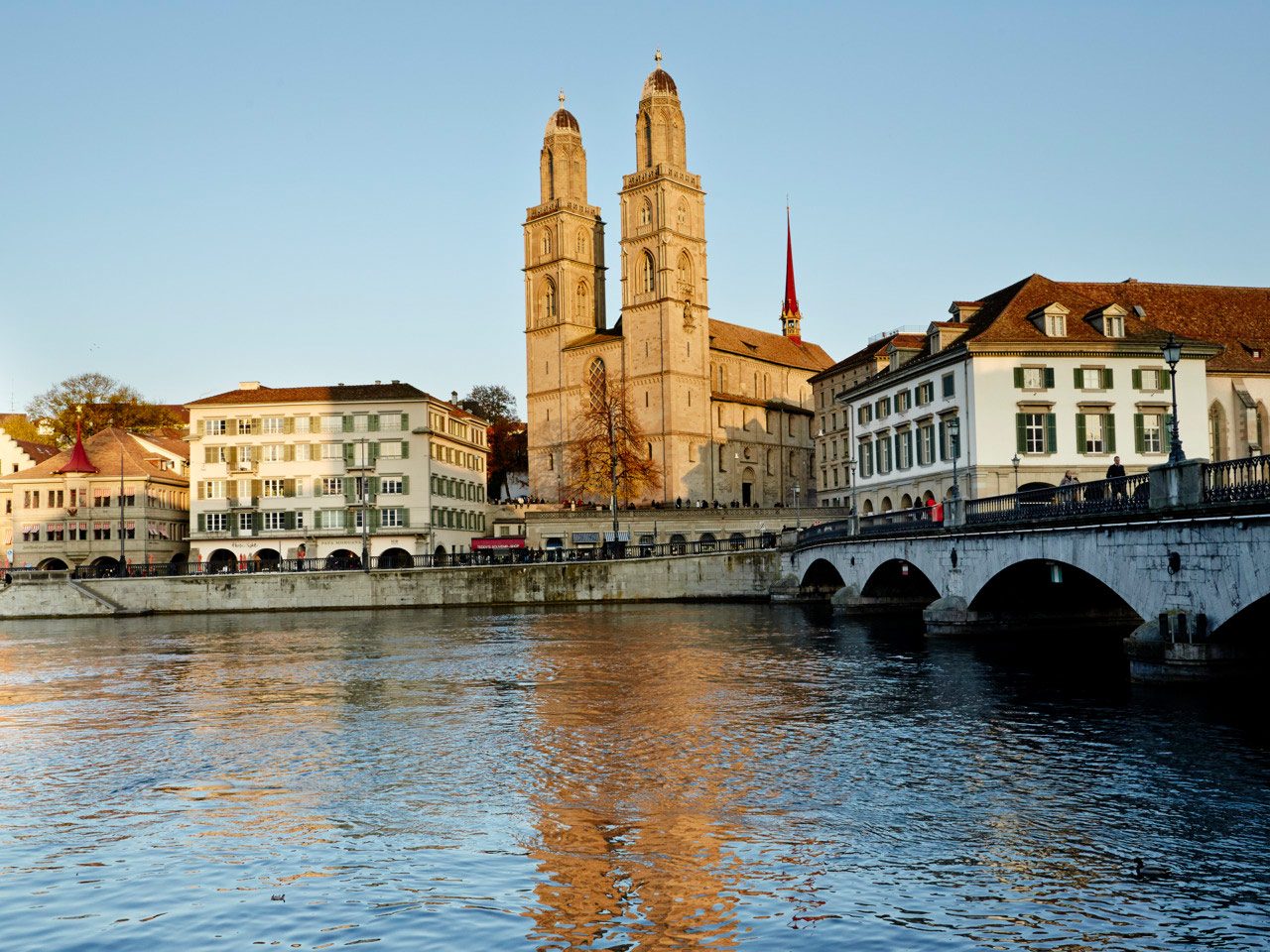
The twin towers of this Romanesque-style church define the city skyline. Climbing the tower provides a vantage point over the urban layout and distant Alps.
Climb the Karlsturm tower for a clear view of the city.
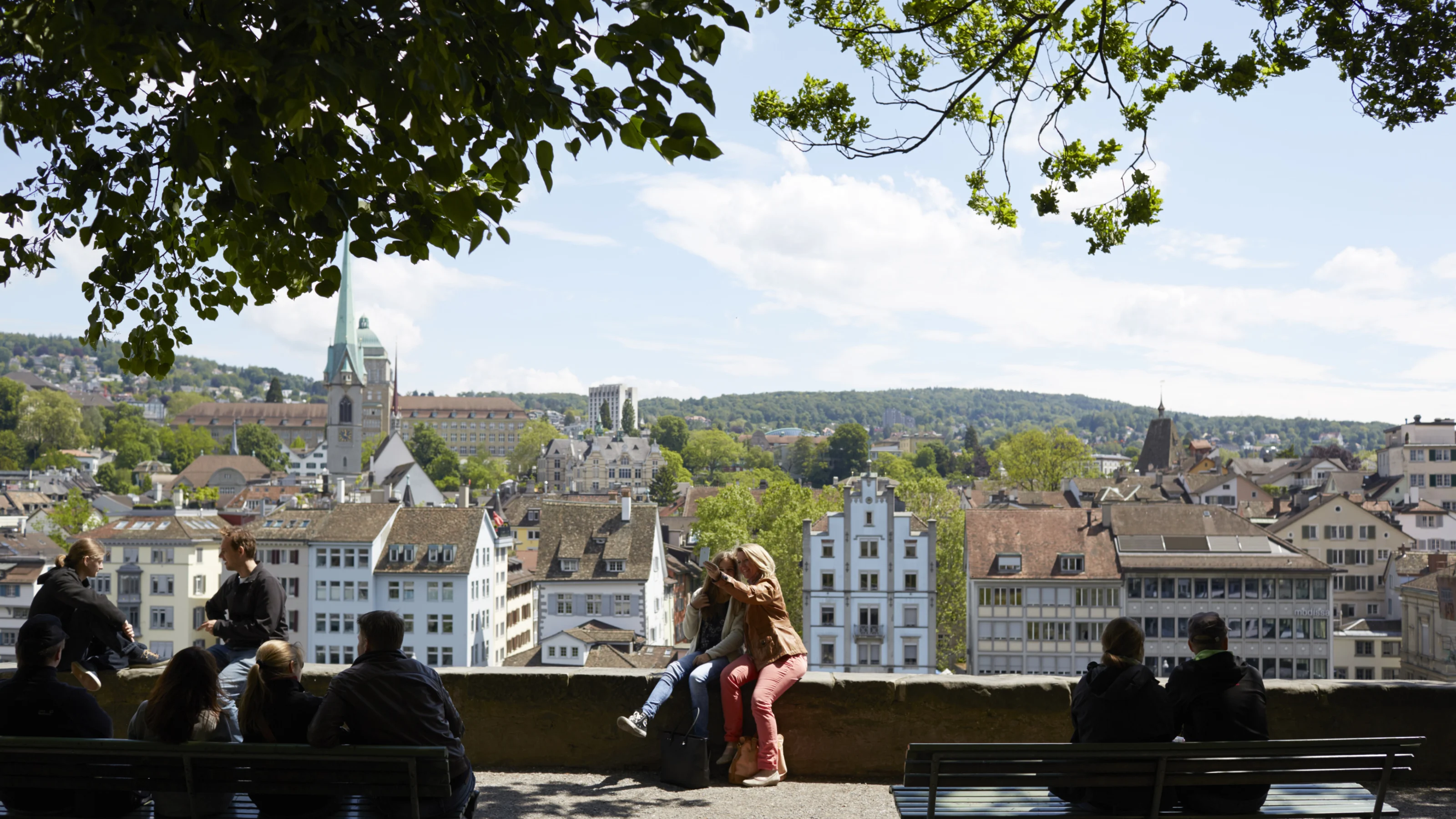
Formerly the site of a Roman fort, this public park sits on an elevated hill overlooking the city. It serves as a green space for observing the river and surrounding architecture.
Arrive between 09:00 and 11:00 for the best lighting.
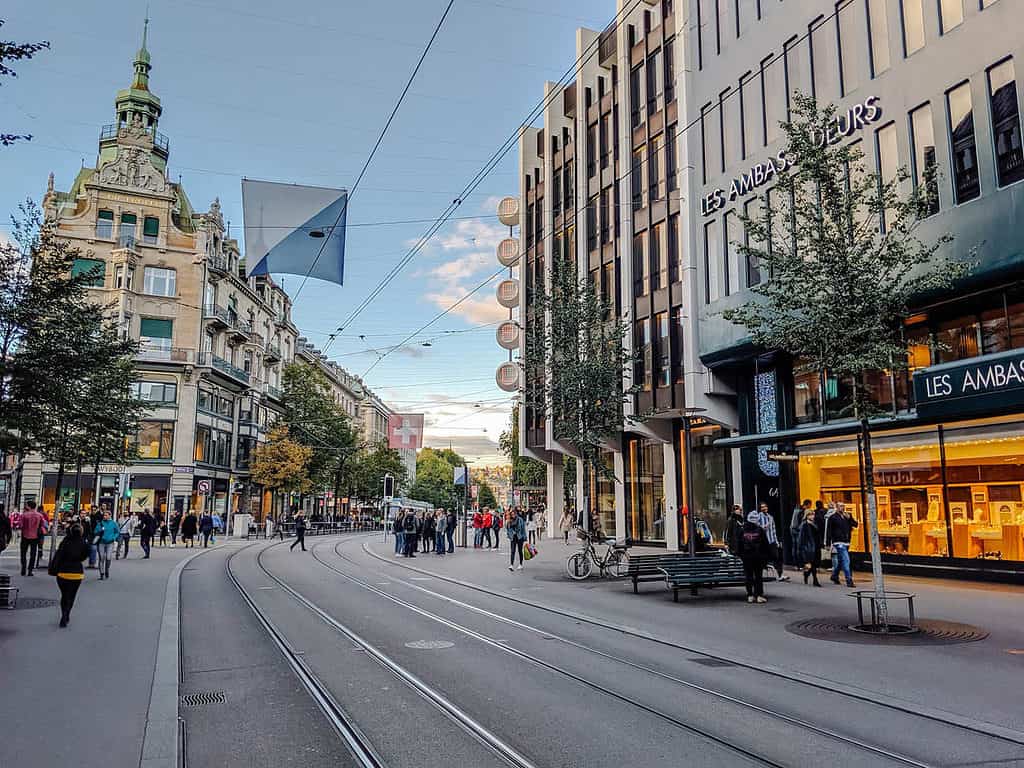
This thoroughfare stretches from the main train station to the lake and represents the city's commercial and banking center. It serves as a primary axis for navigating the central district.
Walk the full length to experience the transition of city zones.
Zurich serves as an efficient central hub for exploring northern Switzerland, with several notable destinations accessible within an hour. Integrating these locations allows visitors to balance the city experience with scenic alpine and historical excursions.
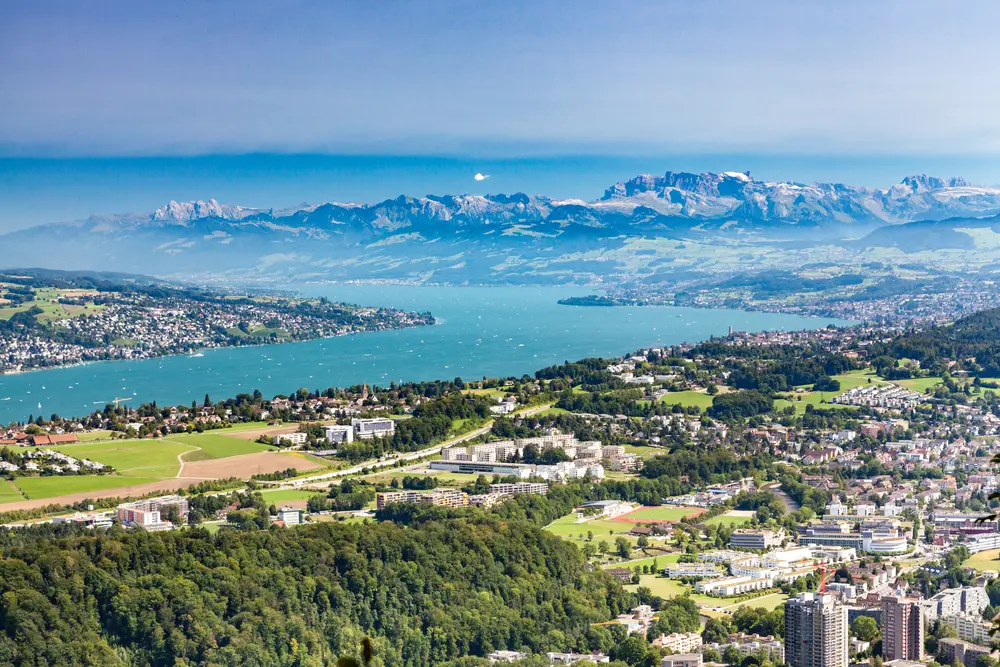
5 min walk
This body of water offers boat tours and walking paths that connect directly to the city center for a natural transition.
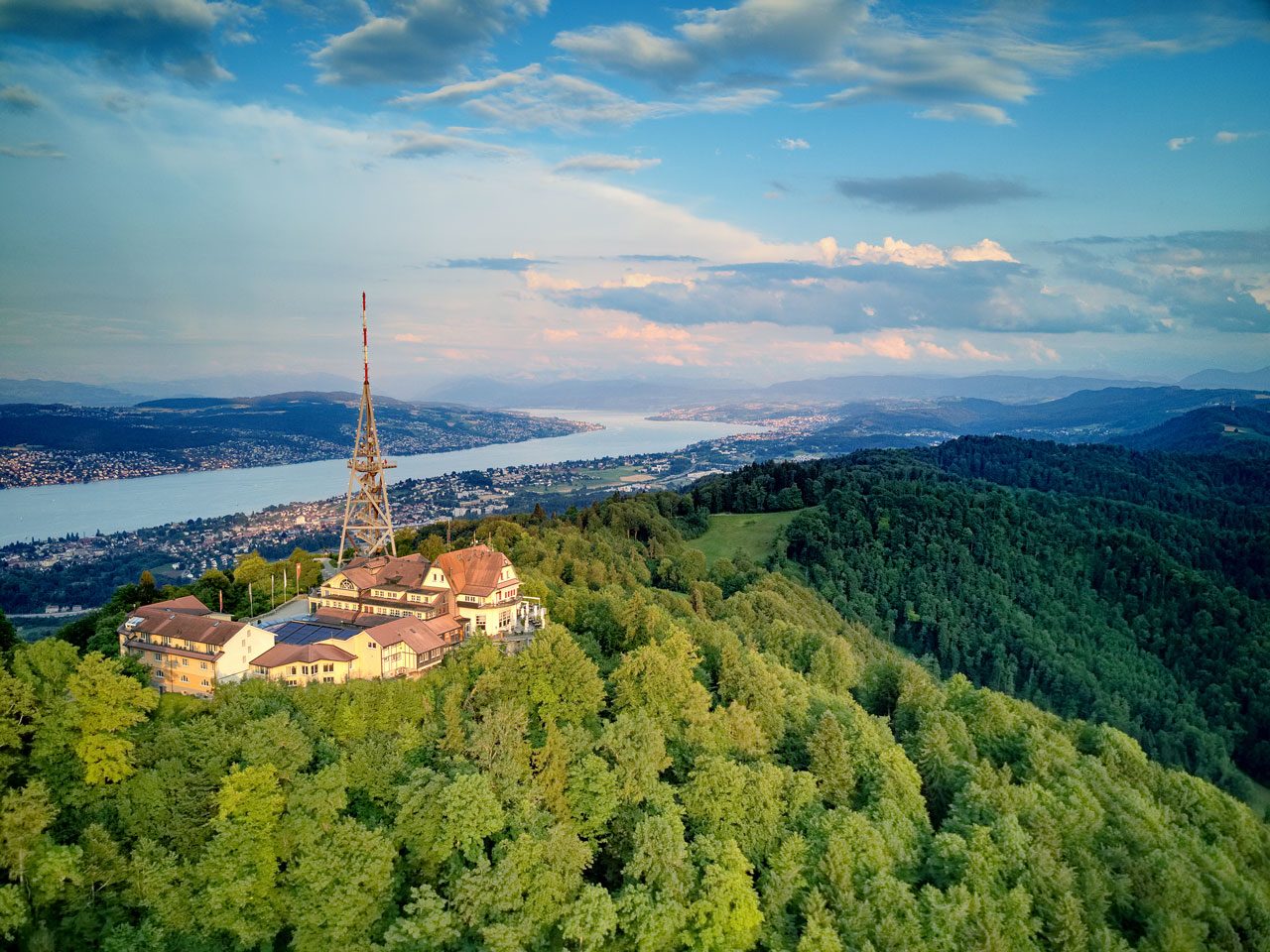
20 min train
Reachable via a short rail journey, this peak provides an elevated perspective of the city and regional geography.
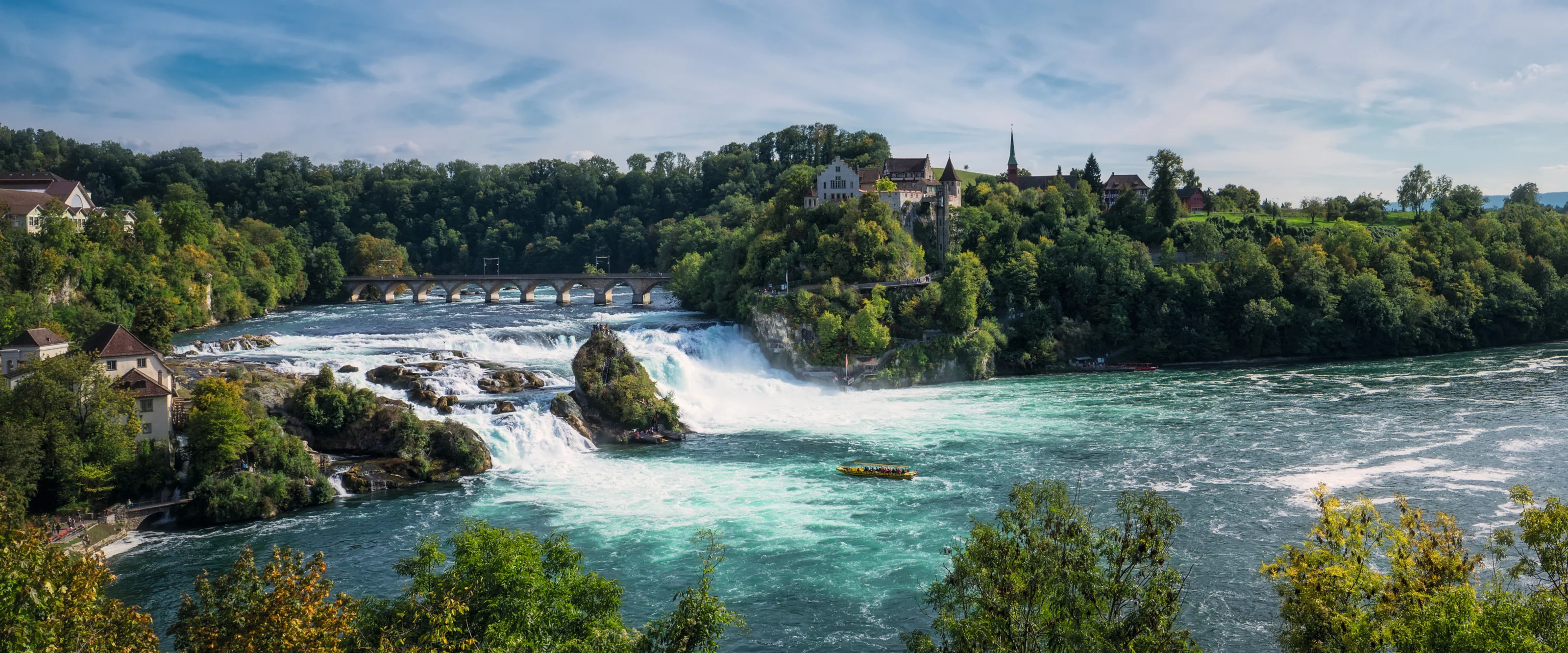
50 min train
Located near the border, these falls are the largest in Europe and serve as a practical day trip for those interested in natural landmarks.
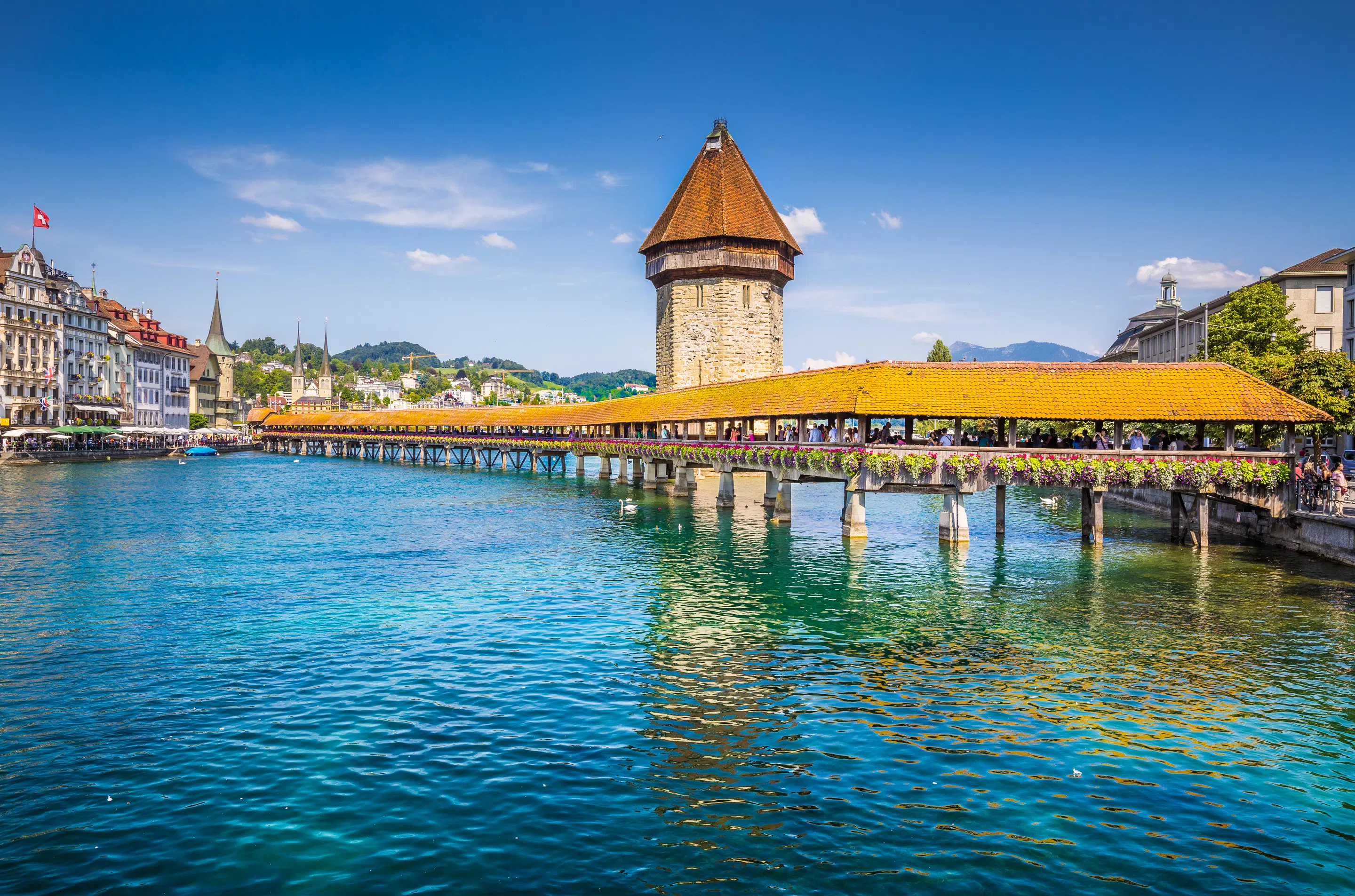
45 min train
This nearby city features preserved medieval architecture and a famous wooden bridge, making it a cohesive addition for travelers interested in Swiss history.
Everything you need to know about is zurich worth visiting
Travelers often find that the city offers a unique blend of historical charm and modern efficiency, making it a rewarding destination. Many visitors appreciate the seamless integration of lakeside leisure and urban culture.
A guided Zurich city tour helps contextually map the medieval Old Town, Limmat riverbanks, and Grossmünster architecture. Engaging with local experts provides historical insights into the banking center and regional heritage.
Even with limited time, the compact city center allows you to see major sites easily. The efficient transit system ensures that is zurich worth visiting regardless of your schedule constraints.
To see iconic Zurich landmarks, prioritizing the morning hours allows for better photography and fewer crowds. Combining walking routes with public transit maximizes your exposure to the city's varied districts.
Because the city provides public access to its streets and squares for free, is zurich worth visiting remains an affordable prospect. Visitors can enjoy the cityscape and alpine views without constant entry fees.
While many sites have free public access, booking a guided excursion can help you navigate popular spots efficiently. This ensures you spend more time exploring the city's cobblestone streets and less time planning logistics.
You should consult the official city resources for up-to-date information on transport and opening hours. Planning your arrival between 09:00 and 11:00 helps you avoid peak traffic and start your journey effectively.
Top Zurich Tourist Attractions
Read more Tickets & toursTours with Swiss Travel Pass
Read more GuideRecommended Zurich Itinerary
Read more GuideZurich Trip Cost & Budget
Read more GuideIs Zurich Safe for Tourists?
Read more Tickets & toursZurich City Bus Tours
Read more Tickets & toursCity Tours with Lake Cruises
Read more